For years, undocumented migrants in Europe have lived in a strange space. Working. Contributing. Surviving. But never fully belonging.
In early 2026, Spain decided to change that.
With one policy decision, Spain opened a legal pathway for hundreds of thousands of undocumented migrants to step out of the shadows. For many people, this is not just paperwork. It is permission to breathe easier.
For Pakistani nationals living in Spain, this decision could be life changing. But only if they prepare the right way.
This guide explains what Spain’s 2026 regularisation really means, who qualifies, and why one document from Pakistan often decides the outcome of an application.
What Is Spain’s 2026 Regularisation Program
In January 2026, the Spanish government approved an extraordinary regularisation program for undocumented migrants and certain asylum seekers already living in the country.
In simple terms, the policy allows eligible individuals to obtain legal residence and work authorization.
The initial permit is typically issued for one year, with the possibility of renewal under Spain’s standard immigration rules.
This is not citizenship.
It is not automatic.
But it is legal status.
And that matters.
Why Spain Introduced This Regularisation in 2026
This decision was not emotional. It was practical.
Spain is facing labour shortages in agriculture, logistics, construction, and care services. At the same time, a large informal workforce exists outside legal protection.
Regularisation brings people into the formal economy. Workers gain rights. Employers gain stability. The government gains transparency and tax contributions.
In short, Spain chose integration over invisibility.
Who Is Eligible for Spain’s 2026 Regularisation
Eligibility is where hope meets reality.
To qualify, applicants generally must have been present in Spain before 31 December 2025. They must prove continuous residence. They must show basic integration.
Most importantly, they must have no criminal record.
That last requirement is where many applications quietly fail.
What This Means for Pakistani Nationals Living in Spain
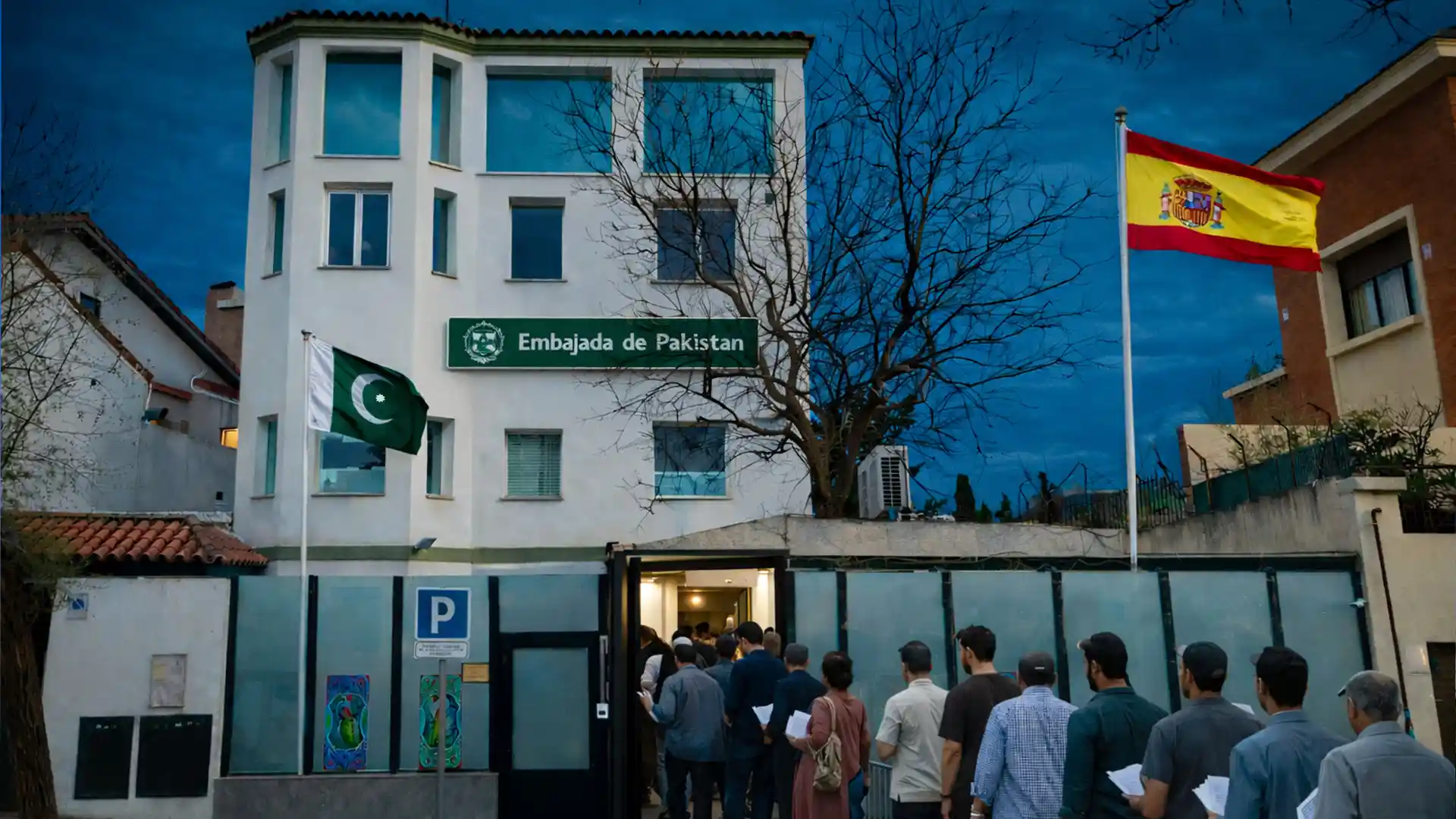
Thousands of migrants from Pakistan live and work across Spain.
Many are employed in delivery services, restaurants, construction sites, warehouses, and small family businesses. Some entered Spain legally and overstayed. Others arrived during difficult personal or economic circumstances.
Spain’s 2026 regularisation includes Pakistani nationals. But approval depends on documentation, not nationality.
That distinction matters.
The Criminal Record Requirement That Many Applicants Overlook
Spain does not regularise blindly.
Authorities must confirm that applicants do not pose a security risk. To do this, they may request police records not only from Spain but also from the applicant’s country of origin.
For Pakistani applicants, this often means submitting a National Police Bureau Character Certificate.
If you are in a hurry and need a Natoinal Police Character Certificate for Spain from Pakistan, contact Satti Consultancy & Services for proper guidance and document handling.
National Police Bureau Character Certificate for Spain
The National Police Bureau is Pakistan’s central authority for issuing nationwide police clearance certificates.
An NPB Character Certificate confirms that an individual has no criminal record at the national level. It is not limited to one city or district.
For immigration authorities, that distinction is important.
Spanish officials often prefer national level police clearance, especially in regularisation and long term residence cases. It provides broader verification and higher credibility.
Why Spain Authorities Prefer National Level Police Clearance
From Spain’s perspective, the logic is straightforward.
Immigration decisions affect public safety. Verification must be comprehensive. National databases reduce gaps that local records may miss.
This is why NPB certificates are commonly requested in residency applications, regularisation cases, and long term immigration processes.
Submitting the wrong certificate can delay or derail an application.
Common Problems Pakistani Applicants Face With Police Certificates
Most rejections are not caused by serious issues. They are caused by small mistakes.
Applicants often submit local police certificates instead of NPB certificates. Others provide documents without clearly mentioning the purpose as Spain or immigration.
Some certificates lack required attestations. Others are rejected due to incorrect format or translation.
For applicants living in Spain, managing Pakistani documentation remotely adds another layer of difficulty.
These are avoidable problems. But only if applicants understand the process early.

How Pakistani Applicants Can Prepare for Spain’s Regularisation
Preparation is the quiet advantage.
Pakistani nationals considering Spain’s 2026 regularisation should begin with the following:
Proof of stay in Spain before 31 December 2025
A valid or expired passport
A National Police Bureau Character Certificate from Pakistan
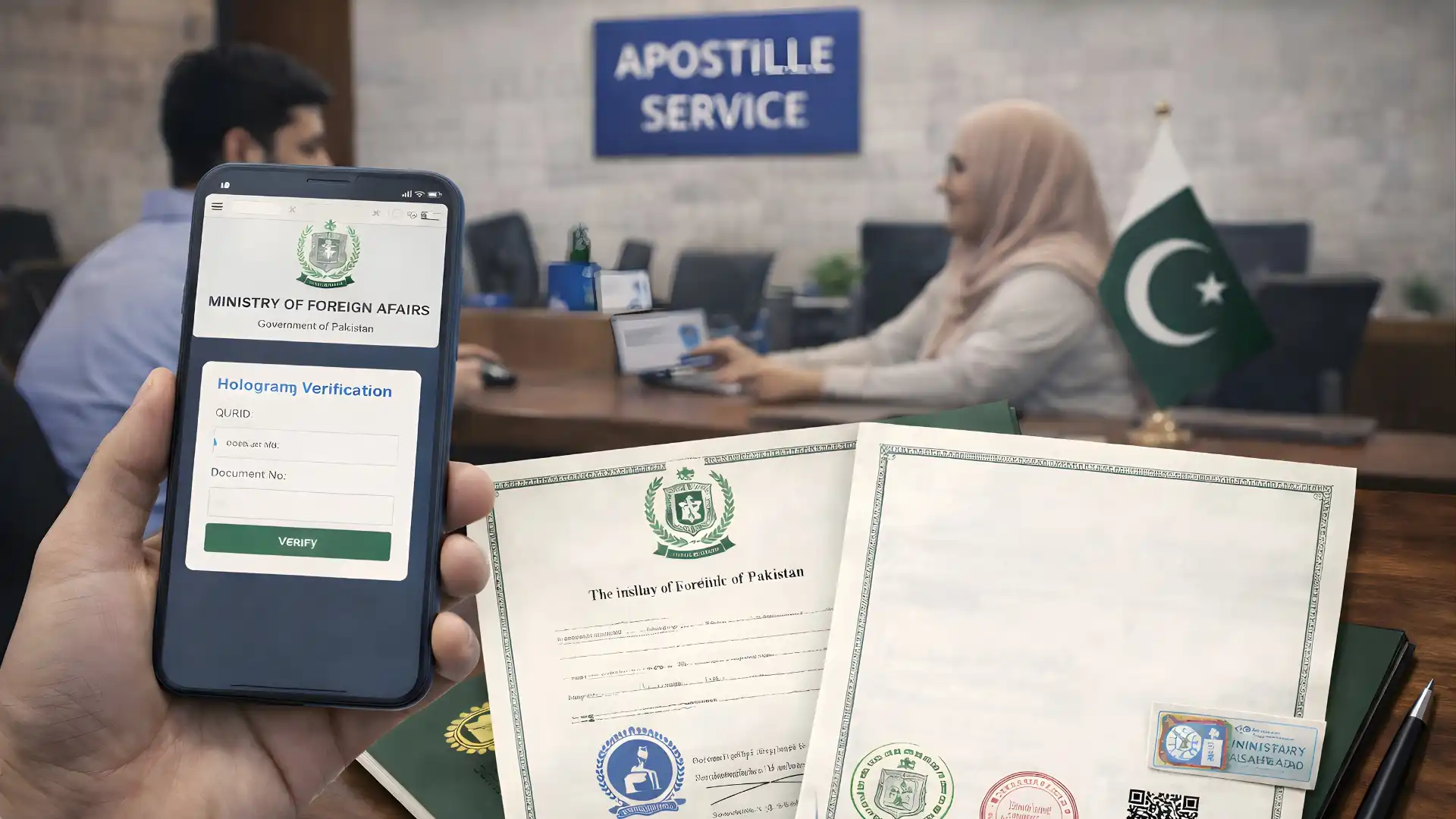
Attestation if requested by authorities
Certified translation into Spanish when required
Starting early reduces stress. Waiting creates risk.
Why Professional Assistance Matters for Sensitive Documents
Immigration documents are not forgiving.
A minor error can mean rejection. A delay can mean missing the application window.
For applicants living abroad, especially in Spain, coordinating police certificates and attestations from Pakistan requires precision and timing.
Professional assistance is not about shortcuts. It is about getting it right the first time.
What Happens After Approval of Regularisation
Once approved, applicants typically receive a residence card known as the TIE. They gain legal permission to work and access public healthcare.
Over time, this legal stay can lead to renewals and long term residence options under Spanish law.
Regularisation does not end the journey. It starts properly.
Frequently Asked Questions
In many cases, yes. Spanish authorities may require proof of no criminal record from the applicant’s country of origin.
Often, no. Spain commonly prefers a National Police Bureau certificate because it covers the entire country.
Yes, provided they meet eligibility and documentation requirements.
It can. The initial permit is temporary but opens a legal pathway toward long term residence.
Yes. Many Pakistani documents can be processed remotely with proper authorization.
A Real Opportunity If You Prepare Correctly
Spain has opened a door that rarely opens this wide.
For undocumented migrants, and especially for Pakistani nationals who have built lives in Spain, this regularisation represents stability, dignity, and possibility.
But opportunity favors the prepared.
Documents decide outcomes.
Details decide timelines.
Preparation decides confidence.
Spain has opened the door.
Preparation decides who walks through it.